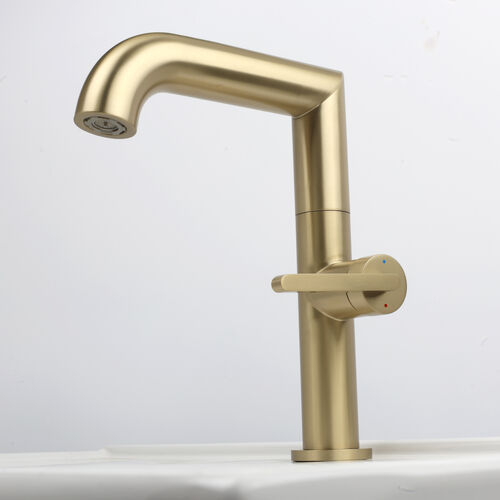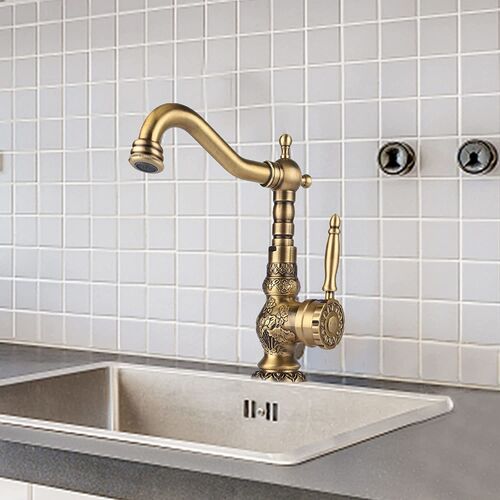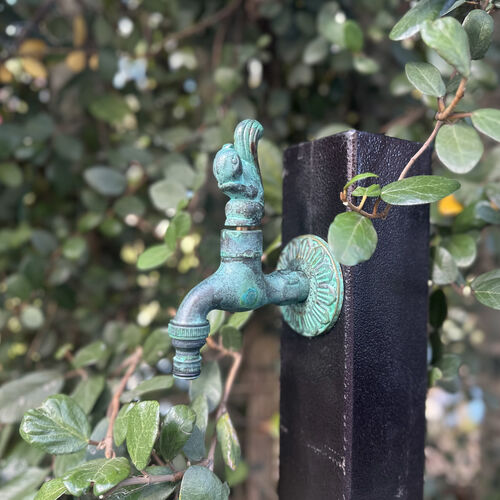
Yuhuan Bangqi Metal Products Co., Ltd befindet sich in der Stadt Yuhuan, Provinz Zhejiang. Eine Herstellung von Messingprodukten seit 2012.BodenabflussAls Werkstatt für Kunden, um ihre maßgeschneiderten Produkte zu produzieren, haben wir eine effektive, kreative und glaubwürdige Gruppe.Schließt euch uns an und profitiert gegenseitig..
Vertrauenssiegel, Bonitätsprüfung, RoSH und Beurteilung der Lieferfähigkeit.
Das Unternehmen verfügt über ein strenges Qualitätskontrollsystem und ein professionelles Testlabor.
ENTWICKLUNG
Internes professionelles Designteam und fortschrittliche Maschinenwerkstatt.
Wir können zusammenarbeiten, um die von Ihnen benötigten Produkte zu entwickeln.
Herstellung
Fortgeschrittene automatische Maschinen, strenges Prozesskontrollsystem.
Wir können alle Badezimmerprodukte nach Ihren Wünschen herstellen.
100% Service
Groß- und kundenspezifische Kleinverpackungen, FOB, CIF, DDU und DDP.
Lassen Sie uns Ihnen helfen, die beste Lösung für alle Ihre Anliegen zu finden.
.gtr-container-x7y8z9 {
font-family: Verdana, Helvetica, "Times New Roman", Arial, sans-serif;
color: #333333;
line-height: 1.6;
padding: 16px;
max-width: 100%;
box-sizing: border-box;
}
.gtr-container-x7y8z9 .gtr-section {
margin-bottom: 24px;
}
.gtr-container-x7y8z9 .gtr-section:last-child {
margin-bottom: 0;
}
.gtr-container-x7y8z9 .gtr-section-title {
font-size: 18px;
font-weight: bold;
color: #FDB100;
margin-bottom: 12px;
text-align: left;
}
.gtr-container-x7y8z9 p {
font-size: 14px;
margin-top: 0;
margin-bottom: 1em;
text-align: left !important;
}
.gtr-container-x7y8z9 p:last-child {
margin-bottom: 0;
}
@media (min-width: 768px) {
.gtr-container-x7y8z9 {
padding: 32px;
max-width: 800px;
margin: 0 auto;
}
.gtr-container-x7y8z9 .gtr-section {
margin-bottom: 32px;
}
}
Anti-backflow Floor Drains
Anti-backflow floor drains, also known as anti-return water floor drains, have a built-in one-way check valve structure. Unlike ordinary floor drains that only have anti-odor functions, they can not only prevent the entry of sewer odors and small insects, but also prevent the reverse flow of sewage in the pipes.
Working Principle
During normal drainage, the water flow pushes the bottom sealing valve away by gravity, and the sewage flows smoothly into the pipe. When the downstream pipe is clogged or the water level in the municipal pipeline rises and creates reverse water pressure, causing the sewage in the pipe to flow back upwards, the water pressure will compress the sealing silicone valve, firmly closing the passage, preventing sewage from flooding into the room.
Suitable Installation Groups
Low-rise residents, old residential areas, houses prone to sewer blockage and backflow, and those with frequent pipe overflow after heavy rain. Floor drains in kitchens and balconies should be prioritized for installation to reduce the risk of sewage soaking the floor.
When Regular Drains Suffice
For high-rise new residential areas, with smooth drainage and no backflow phenomena in the pipes, regular anti-odor floor drains are usually sufficient.
.gtr-container-k7p9x1 {
font-family: Verdana, Helvetica, "Times New Roman", Arial, sans-serif;
color: #333;
line-height: 1.6;
padding: 20px;
max-width: 800px;
margin: 0 auto;
box-sizing: border-box;
}
.gtr-container-k7p9x1 p {
font-size: 14px;
margin-bottom: 15px;
text-align: left !important;
}
.gtr-container-k7p9x1 ol {
list-style: none !important;
counter-reset: list-item;
margin: 0;
padding: 0;
}
.gtr-container-k7p9x1 ol li {
list-style: none !important;
position: relative !important;
padding-left: 40px !important;
margin-bottom: 20px !important;
font-size: 14px;
}
.gtr-container-k7p9x1 ol li::before {
content: counter(list-item) "." !important;
position: absolute !important;
left: 0 !important;
font-weight: bold !important;
font-size: 18px !important;
color: #FDB100 !important;
width: 30px !important;
text-align: right !important;
top: 0;
}
.gtr-container-k7p9x1 .gtr-step-title {
font-size: 18px;
font-weight: bold;
color: #FDB100;
display: block;
margin-bottom: 5px;
}
@media (min-width: 768px) {
.gtr-container-k7p9x1 {
padding: 30px;
}
}
The continuous dripping from the faucet in the house is usually caused by the aging of the internal seals. Instead of replacing it directly, you can repair it yourself following the steps.
The first step is to turn off the water supply. Find the cold and hot angle valve below the faucet, and turn it clockwise to cut off the water supply. Then open the faucet to release the remaining water inside to avoid water spraying during disassembly.
The second step is to remove the handle. Unscrew the decorative small cover of the handle, loosen the internal fixing screws, and remove the handle, revealing the valve core cover.
The third step is to remove the cover. Take out the ceramic valve core, and the most common reason for dripping is that the rubber sealing ring of the valve core is worn out or water scale is stuck on the sealing surface.
The fourth step is to clean the water scale. Clean the water scale accumulated on the valve core and valve seat, and replace the sealing ring with the same specification directly if there is no separate part; if there is no separate part, replace the entire valve core.
The fifth step is to assemble the parts in the reverse order. When assembling, you can loosely wrap a small amount of raw material tape around the threads, do not over-tighten to prevent the valve body from cracking. After completion, turn on the angle valve to test the water flow. If it still drips after installation, check if the valve seat has scratches. If the damage is severe, it is recommended to replace the entire faucet.
.gtr-container-lwc789 {
font-family: Verdana, Helvetica, "Times New Roman", Arial, sans-serif;
color: #333;
line-height: 1.6;
font-size: 14px;
padding: 15px;
box-sizing: border-box;
}
.gtr-container-lwc789 p {
margin-top: 0;
margin-bottom: 1em;
text-align: left !important;
font-size: 14px;
}
.gtr-container-lwc789 .gtr-highlight-title {
display: block;
font-size: 18px;
font-weight: bold;
color: #FDB100;
margin-bottom: 0.5em;
margin-top: 1.5em;
}
.gtr-container-lwc789 .gtr-highlight-title:first-of-type {
margin-top: 0;
}
@media (min-width: 768px) {
.gtr-container-lwc789 {
max-width: 800px;
margin: 0 auto;
padding: 20px;
}
}
Lost-wax casting is thousands of years old. It is also still the standard for good brass bathroom hardware. The reason: surfaces and shapes.
The process: make a wax model. Dip it in ceramic slurry until a shell forms. Heat until the wax melts out and pour brass into the cavity. Cool, break the shell, done. Brass where wax used to be.
Why not something faster? Sand casting presses metal into shaped sand, cheap and quick. But sand is rough, and that roughness transfers to the metal. Polish a sand-cast handle as long as you like. The grain stays. Lost-wax captures detail with almost no shrinkage. The shell holds the surface smooth. Brass mirrors the wax. A chrome faucet made this way needs barely any finishing. A rough casting needs grinding, and grinding through thin brass is easier than you think.
There is more to it than surface finish. A one-piece casting has no welds or joints. Water cycles through it for years. Every seam is a future leak. Lost-wax forms internal channels inside a single brass body. Weld pieces together and you built in the thing that eventually fails.
Cost is the trade-off. Each shell is destroyed to free the part. Each wax model is consumed. One run takes days. Stamping a million brackets? Sand casting wins on price. Making a handle someone grips every morning for ten years? Lost-wax justifies it.
One thing to know: "lost-wax casting" on a label sets a ceiling, not a floor. Bad tooling, rushed drying, overheated metal. Each hides defects inside parts that look perfect. A factory that controls every step gets the real benefit. One that does not gets the name and nothing else.
When a product says "lost-wax casting" the manufacturer picked a slower, more expensive way of working. That choice matters. Whether their execution matches it is where your money goes.
.gtr-container-shd789 {
font-family: Verdana, Helvetica, "Times New Roman", Arial, sans-serif;
color: #333;
padding: 16px;
line-height: 1.6;
max-width: 100%;
box-sizing: border-box;
}
.gtr-container-shd789 p {
font-size: 14px;
margin-bottom: 1em;
text-align: left !important;
line-height: 1.6;
}
.gtr-container-shd789 .gtr-key-info {
font-size: 18px;
font-weight: bold;
color: #FDB100;
margin-bottom: 1.5em;
}
@media (min-width: 768px) {
.gtr-container-shd789 {
padding: 24px 40px;
max-width: 800px;
margin: 0 auto;
}
}
Du schaltest die Dusche aus, greifst nach einem Handtuch, und dann hörst du es: Tropfen, tropfen. Wasser kommt immer noch aus dem Duschkopf. Ein dünner Strom, der eine Minute dauert.Oder ist das normal??
Wenn man das Wasser abschaltet, bleibt eine Säule im Rohr zwischen Ventil und Kopf.Regenköpfe auf langen Decken Arme tropfen am längsten, weil mehr Wasser über dem Kopf sitzt.
Wenn das Tropfen länger als ein paar Minuten dauert oder Stunden später der Kopf noch nass ist, haben Sie ein echtes Problem. Die übliche Ursache: eine abgenutzte Waschmaschine oder ein O-Ring im Inneren des Ventils. Gummidichtungen altern. Sie steifen,RissSelbst mit abgeschaltetem Griff schleicht sich ein Tropfen durch. Schraubenzieher, richtige Dichtung, zehn Minuten.
Überprüfen Sie mit Handköpfen, ob das Rückschlagventil ein einseitiges Mechanismus im Schlauchanschluss ist, das verunreinigtes Wasser vom Abfluss abhält.Ein Essigbecken löst es normalerweise auf.Wenn die Patrone abgeschossen wird, kostet ein Ersatz fast nichts.
Ein diagnostischer Trick: Schrauben Sie den Kopf vom Wandarm ab und beobachten Sie. Wasser aus dem nackten Rohr? Problem ist in Ihrem Wandventil. Rohr bleibt trocken? Es ist der Kopf oder die Verbindung. Keine Vermutung.
Ein Duschkopf mit enger Dichtung und sauberer Bearbeitung ist weniger wahrscheinlich aus der Box zu tropfen. Wenn ein brandneues es tut, schneidet die Fabrik eine Ecke.Aber sie machen einen Duschkopf, der trocken bleibt..
Bottom line: Ein tropfender Duschkopf nach dem Abschalten ist in der Regel eine DIY-Fix. Lassen Sie ihn entleeren, wenn er schnell aufhört. Wenn nicht, reinigen oder tauschen Sie die Teile aus. Unter einer Stunde mit einem Englischschlüssel. Wenn nichts funktioniertRuf jemanden an, der die Wand öffnet..
/* Unique class for encapsulation */
.gtr-container-d7e8f9 {
font-family: Verdana, Helvetica, "Times New Roman", Arial, sans-serif;
color: #333;
line-height: 1.6;
padding: 16px;
box-sizing: border-box;
max-width: 100%;
margin: 0 auto;
}
.gtr-container-d7e8f9 p {
margin-bottom: 1em;
text-align: left !important;
font-size: 14px;
}
.gtr-container-d7e8f9 .gtr-title {
font-size: 18px;
font-weight: bold;
color: #FDB100;
margin-bottom: 1.5em;
text-align: left;
}
.gtr-container-d7e8f9 .gtr-section-heading {
font-size: 16px;
font-weight: bold;
color: #555;
margin-top: 2em;
margin-bottom: 1em;
text-align: left;
border-bottom: 1px solid rgba(253, 177, 0, 0.3);
padding-bottom: 0.5em;
}
.gtr-container-d7e8f9 .gtr-emphasis {
font-weight: bold;
color: #E09B00;
}
.gtr-container-d7e8f9 .gtr-highlight-box {
background-color: rgba(253, 177, 0, 0.05);
border-left: 4px solid #FDB100;
padding: 1em 1.5em;
margin: 2em 0;
border-radius: 4px;
}
.gtr-container-d7e8f9 .gtr-highlight-box .gtr-section-heading {
margin-top: 0 !important;
border-bottom: none !important;
padding-bottom: 0 !important;
}
@media (min-width: 768px) {
.gtr-container-d7e8f9 {
padding: 24px;
max-width: 800px;
}
.gtr-container-d7e8f9 .gtr-title {
font-size: 20px;
}
.gtr-container-d7e8f9 .gtr-section-heading {
font-size: 18px;
}
}
Verständnis von Waschbecken: Überfluss versus Nicht-Überfluss
Wenn Sie schon einmal ein Waschbecken ausgetauscht haben, haben Sie wahrscheinlich bemerkt, dass einige Waschbecken ein kleines Loch am Rand haben und andere nicht.ÜberlaufoderNicht-ÜberflussDer Unterschied ist wichtiger, als die meisten Leute denken.
Erläuterung des Überflussdrains
Ein Überflusskanal hat eine zweite Öffnung in der Nähe des Randes.Es entweicht durch die Überflutung statt auf den Boden zu verschütten.Keine beweglichen Teile, keine Elektronik, nur ein einfaches Sicherheitsnetz im Waschbecken.
Nicht-Überfluss-Abfluss erklärt
Wenn der Wasserhahn läuft oder der Abfluss verstopft, hat das Wasser nur einen Ausweg: über den Rand.Dies ist der Grund, warum Nicht-Überfluss Waschbecken in der Regel kommen mit Pop-up-Abflüsse, die nicht versehentlich schließenSie eignen sich hervorragend für Badezimmer und Gästebäder, wo ein unbeaufsichtigter Wasserhahn selten ist.
Welches sollten Sie wählen?
Für ein Familientoilette oder ein Mietzimmer ist Überflutung sinnvoll. Es kauft Zeit, wenn jemand das Wasser vergisst. Für Spülen, Wandbecken,oder Konstruktionen, bei denen eine saubere, ununterbrochene Felge wichtig istDu musst den Abfluss mit einer Sicherheitslücke verbinden, damit das Wasser entweichen kann, wenn der Verschluss geschlagen wird.
Qualitäts- und Installationsüberlegungen
Der Überflusskanal ist eines der Dinge, die niemand bemerkt, bis man es braucht.ohne rauhe Flecken, an denen sich Trümmer ansammeln könnenEine Fabrik, die diesen Teil beschleunigt, stellt Waschbecken her, die gut funktionieren, bis sie ein Bad überfluten.
Wichtiger Rat vor dem Kauf
Bevor Sie ein neues Becken kaufen, überprüfen Sie das alte. Überlaufloch? Holen Sie sich eine Überlaufabflussversammlung. Kein Loch? Bestellen Sie einen nicht-überlaufenden Abfluss. Mischen Sie sie zusammen und Sie bekommen Lecks oder seltsames Gurgeln.Ein paar Sekunden Überprüfung sparen dir einen nassen Boden..
.gtr-container-gpm789 {
font-family: Verdana, Helvetica, "Times New Roman", Arial, sans-serif;
color: #333333;
line-height: 1.6;
padding: 20px;
box-sizing: border-box;
max-width: 100%;
margin: 0 auto;
box-shadow: 0 4px 8px rgba(0, 0, 0, 0.1);
border-radius: 8px;
}
.gtr-container-gpm789__header {
margin-bottom: 25px;
padding-bottom: 10px;
border-bottom: 1px solid #eeeeee;
}
.gtr-container-gpm789__title {
font-size: 18px;
font-weight: bold;
color: #FDB100;
margin-bottom: 5px;
text-align: center;
}
.gtr-container-gpm789__section {
margin-bottom: 20px;
}
.gtr-container-gpm789__subtitle {
font-size: 16px;
font-weight: bold;
color: #555555;
margin-bottom: 10px;
padding-left: 5px;
border-left: 4px solid #FDB100;
}
.gtr-container-gpm789 p {
font-size: 14px;
margin-bottom: 10px;
text-align: left !important;
word-break: normal;
overflow-wrap: normal;
}
.gtr-container-gpm789__highlight {
color: #FDB100;
font-weight: bold;
}
@media (min-width: 768px) {
.gtr-container-gpm789 {
padding: 30px;
max-width: 800px;
}
.gtr-container-gpm789__title {
font-size: 22px;
text-align: left;
}
.gtr-container-gpm789__subtitle {
font-size: 18px;
}
}
GPM bei Duschköpfen verstehen
Was ist GPM?
Wenn Sie jemals einen Duschkopf gekauft haben, haben Sie wahrscheinlich "GPM" auf der Verpackung oder in den technischen Daten gesehen. Es klingt technisch, ist aber eine der einfachsten Zahlen, die man vor dem Kauf verstehen kann.
GPM steht für Gallonen pro Minute. Es gibt an, wie viel Wasser pro Minute aus dem Kopf kommt. Höhere GPM bedeuten mehr Wasser und einen stärkeren Strahl. Niedrigere GPM sparen Wasserrechnungen, können aber zu einem schwachen Rinnsal führen, wenn der Duschkopf schlecht konstruiert ist.
Vorschriften & Standards
In den USA begrenzt das Bundesgesetz neue Duschköpfe auf 2,5 GPM. Einige Bundesstaaten gehen weiter: Kalifornien begrenzt sie auf 1,8 GPM, und alles mit dem WaterSense-Label muss 2,0 GPM oder weniger haben. Andere Länder haben ihre eigenen Regeln, aber die Idee ist dieselbe: Das Gesetz legt eine Obergrenze fest, keine Empfehlung.
Den richtigen GPM wählen
Was sollten Sie also wählen? Für die meisten Häuser mit gutem Wasserdruck ist 2,0 GPM der ideale Wert. Genug Wasser, um Ihre Dusche zu genießen, ohne es zu verschwenden. Wenn Ihr Druck niedrig ist oder Ihre Sanitäranlagen älter sind, kann 2,5 GPM das Duscherlebnis erheblich verbessern. Modelle mit 1,5 bis 1,8 GPM sind auf Wassereinsparung ausgelegt und können sich dennoch gut anfühlen, wenn das Design eine Luftzufuhr oder eine intelligente Düsenform verwendet, um den geringeren Durchfluss auszugleichen.
Mehr als GPM: Der Designfaktor
Hier ist die Sache: Ein gut gefertigter 1,8 GPM Duschkopf kann sich besser anfühlen als ein billiger 2,5 GPM. Es kommt darauf an, wie die internen Kanäle geformt sind, wie die Düsen den Strahl verteilen und ob die Fabrik tatsächlich enge Toleranzen einhält. Dort macht die Präzisionsfertigung einen Unterschied. Saubere, präzise Wasserwege liefern Ihnen das Sprühmuster, für das der Kopf entwickelt wurde, bei dem GPM, das auf der Verpackung steht.
Vor dem Kauf
Überprüfen Sie vor dem Kauf zwei Dinge: den Wasserdruck in Ihrem Haus (die meisten Köpfe benötigen 20 bis 45 PSI) und die auf dem Produkt angegebene GPM. Wenn Sie diese aufeinander abstimmen, wird sich Ihre Dusche genau richtig anfühlen.